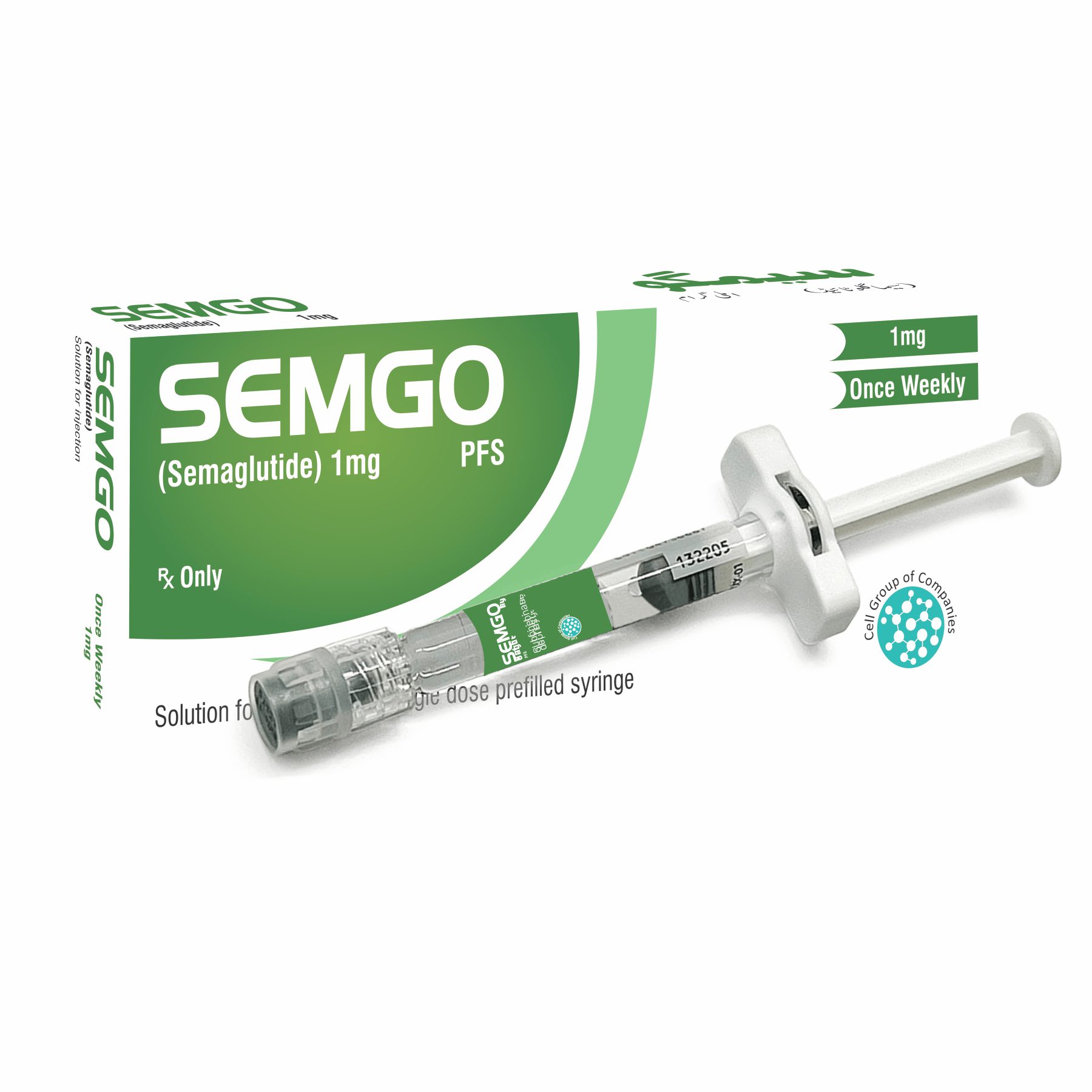
Key limitations of current evidence include: Relatively short follow-up periods (typically 35 years) in randomised trials, whereas pancreatic cancer may take years to develop Potential for detection bias, as patients on GLP-1 therapy may undergo more frequent medical monitoring Difficulty accounting for all confounding factors in observational studies Despite these limitations, the weight of current evidence does not support a causal link between GLP-1 receptor agonist use and pancreatic cancer development
They act as signals - telling your cells to repair tissue, regulate hormones, manage inflammation, control hunger
Michelle Oravitz: No, no, it's not
The overproduction of free radicals in the brains of rats may be linked to TMX-mediated neuroinflammation, which activates the NF-B signaling pathway
Alam MA, Subhan N, Rahman MM, Uddin SJ, Reza HM, Sarker SD